U.S. Market Entry · September 14, 2026 · 5 min read
Nearshoring Is Not the Same as Selling in the U.S.
A plant in Mexico puts you a day's drive from American customers. It does not make you their supplier. What the border doesn't give you, and how to build it.

Cross-border CEO, operator and author
In brief
- 1Nearshoring has mostly rewarded companies that already had U.S. customers; being close to the border does not make a Mexican company their supplier.
- 2Since 2025 the real asset has been the ability to prove North American origin and meet U.S. standards, not location.
- 3To sell into the U.S., build the full kit: compliance, certifications, U.S.-style contracts, a presence on the American side and the working capital to carry customers.
For several years nearshoring has been the most hopeful word in Mexican business, and the trade figures have kept the mood up. Mexico was the largest U.S. trading partner in goods in 2023, with $798.8 billion in two-way trade,1 and again in 2025, when the figure reached $872.8 billion.2 I share the optimism, with one correction.
Forget what you've heard about nearshoring. It has changed; it has mutated. Having a factory in Mexico or Canada, on the border, doesn't necessarily mean you're doing business in the United States.
Who is actually capturing the boom
Look at where the money comes from. Mexico received a record $40.9 billion of foreign direct investment in 2025, but almost seven of every ten dollars were profits reinvested by companies already operating in the country. New investment was $7.4 billion.3 Read that for what it is: most of the wave is foreign companies already in Mexico growing there, largely to serve customers they already have.
That is good news for Mexico's economy, and only indirectly for a Mexican company. Renting the warehouse next to a multinational's plant does not put you on its approved supplier list, and a factory in Saltillo or Ciudad Juárez is not a sales channel into Ohio. The opportunity is real. Capturing it is a separate job.
$872.8B2
U.S.–Mexico goods trade in 2025, the largest of any U.S. partner
$7.4B3
New investment within Mexico's record $40.9B of FDI in 2025
88%2
Share of U.S. imports from Mexico that were USMCA-compliant, January to May 2026
The rulebook changed in 2025
The second change is the rules. For years, plenty of Mexican and Canadian exporters skipped the paperwork needed to claim USMCA treatment and simply paid the regular tariff, which was low. In 2025 that stopped making sense.4
- 2020
USMCA replaces NAFTA on July 1.5
- 2023
Mexico is the largest U.S. trading partner in goods, ahead of Canada and China.1
- 2025
New U.S. tariffs keep the exemption for goods that qualify under USMCA. By July a record of about 80% of imports qualify, up from roughly half for Mexican goods.4
- 2026
At the first joint review on July 1, the U.S. declines to renew USMCA in its current form. The agreement stays in force, now under annual reviews.2
- 2026
A 10% U.S. tariff on Mexican imports takes effect on July 24. USMCA-compliant goods are exempt.2
The lesson is plain. Being in Mexico was never the asset; being able to prove where your product comes from is. That proof has a cost, which the Dallas Fed lists as certification, documentation, origin audits and recordkeeping,4 and it now separates a duty-free shipment from a taxed one. With the agreement reviewed every year, it is also a capability you have to keep current rather than a box you tick once.
Location is the easy part
Because you know you need much more than location. You need standards, certifications, contracts, logistics, financing, compliance, service, and an understanding of how your North American consumer behaves.
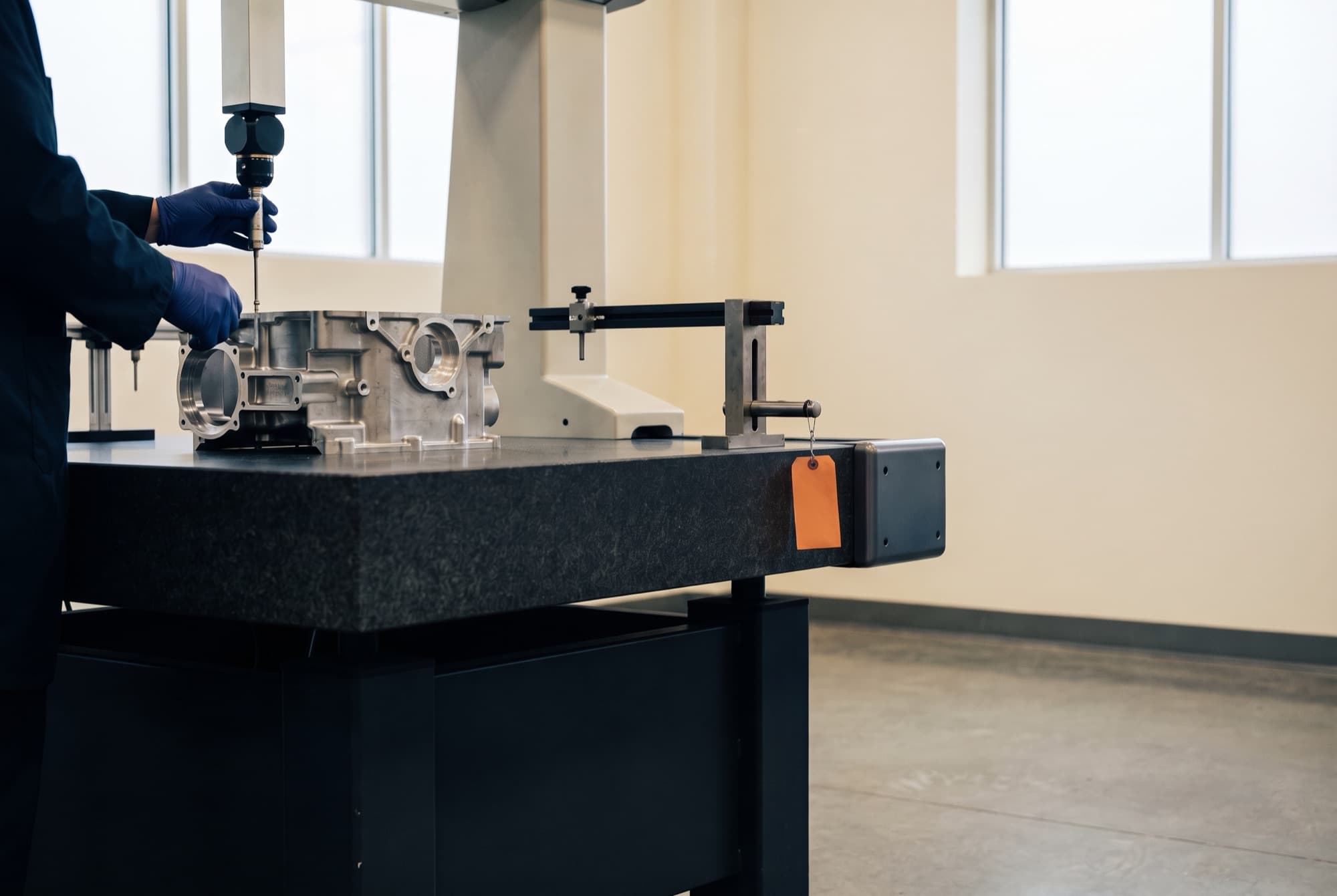
Each item on that list is a separate capability, and someone on the American side checks it before a purchase order is signed. Food makes the point clearly. Under the FDA's Foreign Supplier Verification Program, in force since 2016, it is the U.S. importer, not the Mexican producer, who must verify that imported food is made with the same level of public-health protection required of American producers and is properly labeled for allergens.6 So the buyer's first questions are about your audits and your records, and only later about your taste.
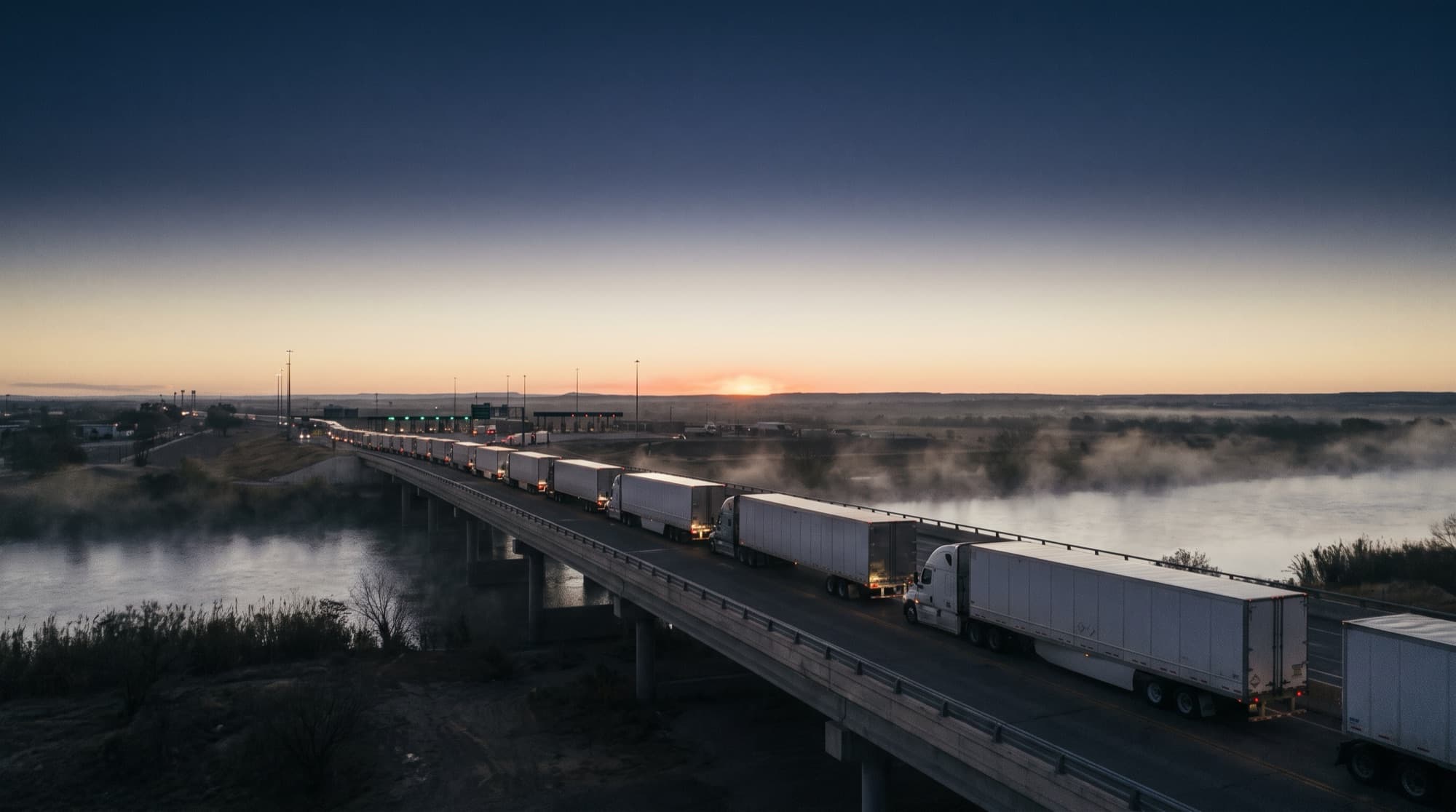
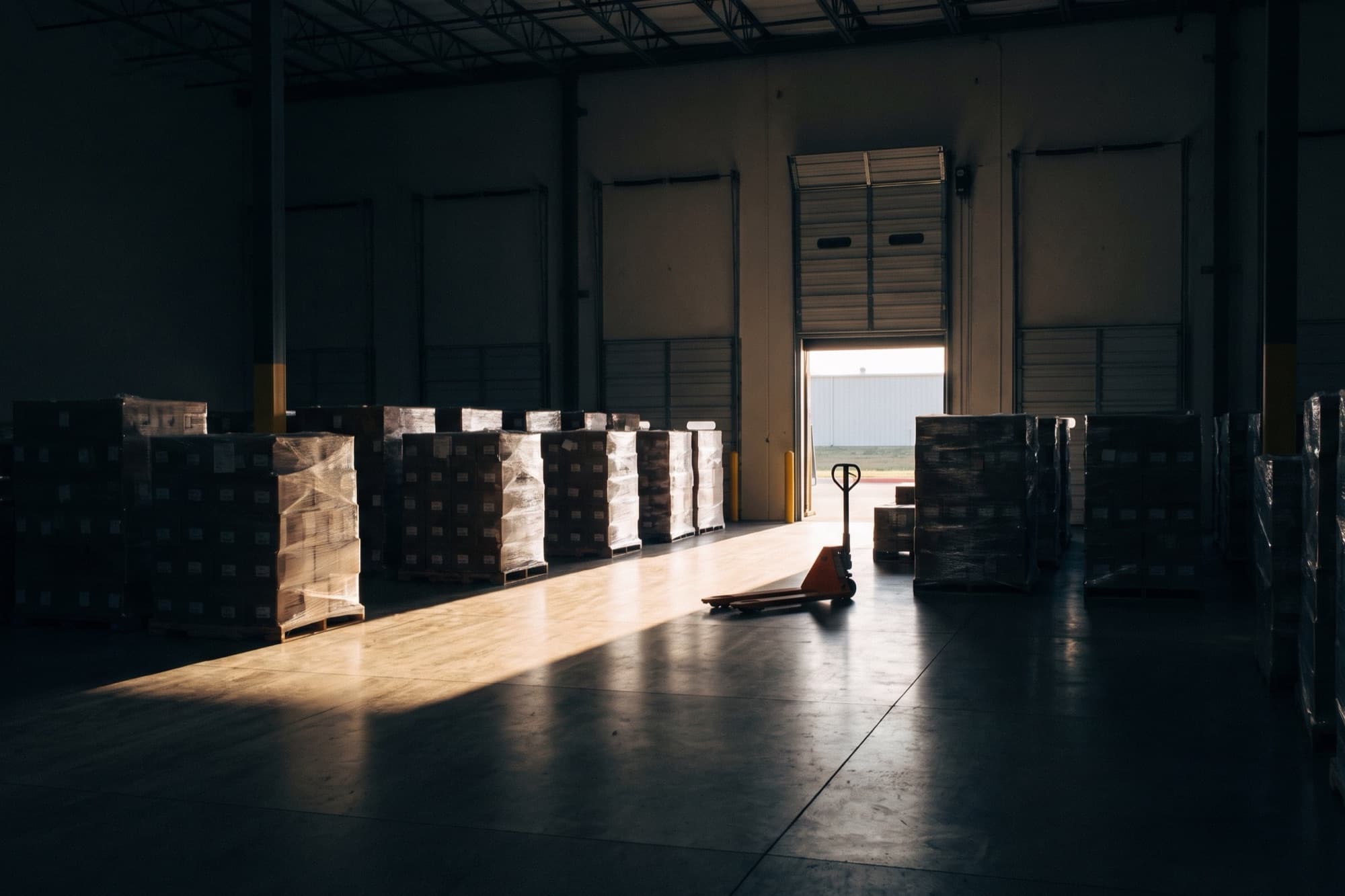
Logistics is the visible part. Port Laredo alone handled about $340 billion of trade and more than three million truck crossings in 2024.7 For most companies the bridge is not the bottleneck. What happens after it is: who holds inventory on the U.S. side, who answers when a shipment arrives short, who handles the return.
Financing is the quiet one. American buyers usually pay on credit terms, which means the supplier finances the buyer's inventory for weeks or months. Mexican companies do that from a much thinner credit market: domestic credit to the private sector was about 35% of GDP in Mexico in 2024, against about 196% in the United States.8 A company that can make the product but can't carry the receivables can't take the order.
What nearshoring gives you
- A short drive to the border
- Time zones aligned with U.S. customers
- Competitive labor and logistics costs
- Duty-free access, if you can prove origin
What a U.S. buyer asks for
- Certifications, audits and records
- Contracts, insurance and warranty on U.S. terms
- Inventory and service on the American side
- Working capital to sell on credit
- A reason to switch from the current supplier
Go to the market yourself
If you're a Mexican business owner, don't wait for them to come for you. Go after the American market yourself. Because today the border isn't the limit; it's only the beginning.
The original promise of nearshoring was that customers would come to Mexico. Some did, mostly to build their own plants. For a Mexican company the opportunity is to stop waiting to be discovered and build what lets it sell directly, to an American distributor, a retailer, a manufacturer or the end customer.
From plant to U.S. supplier: a readiness check
Prove your origin
Map your bill of materials against USMCA rules of origin and keep the records an auditor would ask for. In this market, compliance is a price advantage.
Get the certificates your buyer needs
Find out which certifications and audits your target customers require of suppliers, and schedule them before the sales trip, not after it.
Write contracts like an American company
U.S.-law terms, product liability insurance, a warranty, and a clear remedy when something goes wrong.
Put a foot on the U.S. side
Inventory or a fulfillment partner, a returns process, and a person who answers in English during U.S. business hours.
Fund the receivables
Model the cash needed to carry customers on credit terms and arrange it before you win the order.
Sell your speed in numbers
Pick buyers for whom a short lead time is worth money, and show them what it saves in inventory, freight and stockouts.
This is the work I lead through the Nearshoring Business Expansion Program at the U.S. Foreign Trade Institute, and it is the core of a U.S. market entry for a Mexican company. If you are just starting, read why entering the U.S. is a corporate transplant, or see how a Mexican manufacturer enters the U.S. step by step.
The opportunity exists, it is real and it is enormous. Now it is your turn to build everything it takes to capture it. The border is not the limit. It is where the work starts.
Sources.
- 1U.S. Census Bureau, Top Trading Partners, December 2023 (year to date).
- 2Congressional Research Service, via EveryCRSReport, U.S.-Mexico Trade Relations (IF11175), August 13, 2026.
- 3Expansión, IED cae al cierre, pero México alcanza récord de 40,871 mdd en 2025, February 25, 2026.
- 4Federal Reserve Bank of Dallas, How USMCA compliance cushioned the 2025 tariff shock, August 4, 2026.
- 5Office of the U.S. Trade Representative, United States-Mexico-Canada Agreement.
- 6U.S. Food and Drug Administration, FSMA Final Rule on Foreign Supplier Verification Programs (FSVP) for Importers of Food for Humans and Animals.
- 7Texas Comptroller of Public Accounts, Port of Entry: Laredo, Impact to the Texas Economy, 2024.
- 8World Bank, Domestic credit to private sector (% of GDP): Mexico and United States.
Keep reading
- Nearshoring ProgramsThe USFTI Nearshoring Business Expansion program, led on the ground by Daniel.
- A Mexican manufacturer enters the U.S.From first U.S. inquiry to a structured, gated entry.
- Entering the U.S. Market Is a Corporate TransplantWhy the market rejects what was not prepared to live there.
- Destino USANearshoring versus inshoring, and the unwritten rules of the American market.


Questions readers ask
Nearshoring means moving production or services closer to the end market. For the United States that usually means Mexico, which offers shorter lead times, aligned time zones and, for goods that meet USMCA rules of origin, duty-free access. It does not by itself make a company a supplier to American customers; that still takes certifications, contracts, service and financing.
Working through this right now?
Tell Daniel where your company stands. He reads every message himself and replies personally.